Description
What is Retin-A Micro® Tretinoin Gel Micronized?
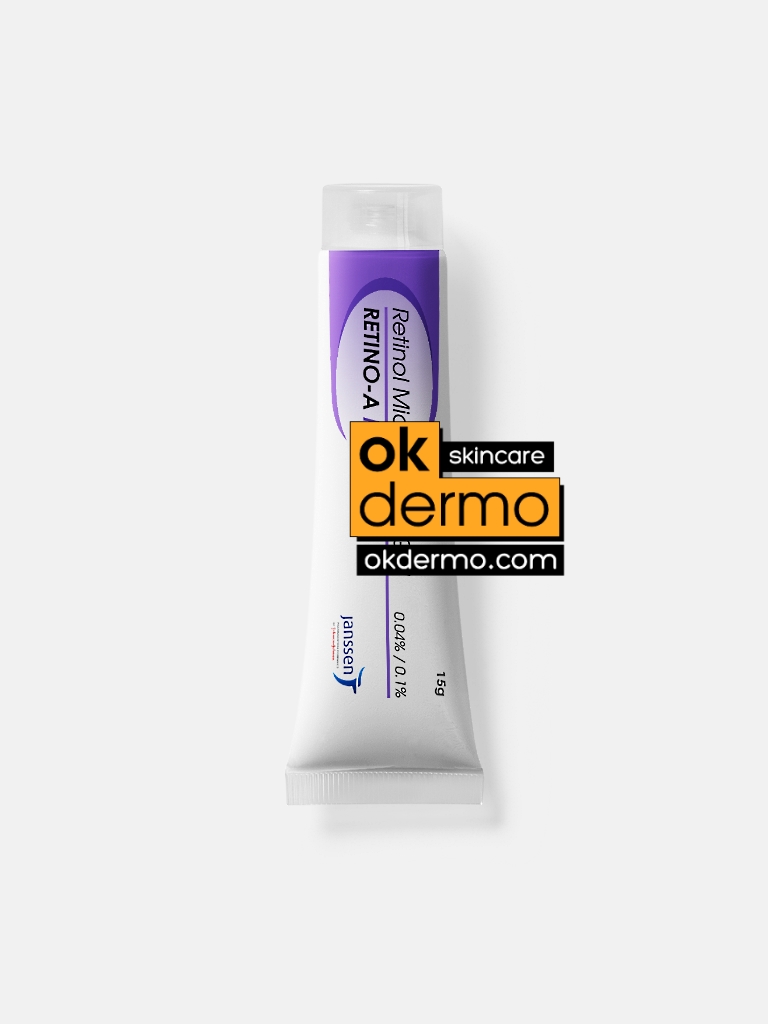
Retin A Micro Gel is a micro tretinoin gel formulation, a standout in skin care. This tretinoin microsphere gel, particularly the 0.1 and 0.04 versions, has a proven record in reducing wrinkles and treating acne lesions. It’s a unique blend of ingredients, with tretinoin microspheres at its heart, ensuring a targeted approach to skin problems.
Understanding Retin A Micro Gel: Ingredients and Functions
Retin A Micro Gel is a phenomenal product in skincare, key to its efficacy is the active ingredient – Tretinoin. As a form of Retin-a micro 0.1, it’s responsible for the gel’s skin rejuvenating capabilities. Tretinoin, specifically micro tretinoin, works by encouraging cell turnover, thus reducing the visibility of wrinkles and treating acne lesions effectively.
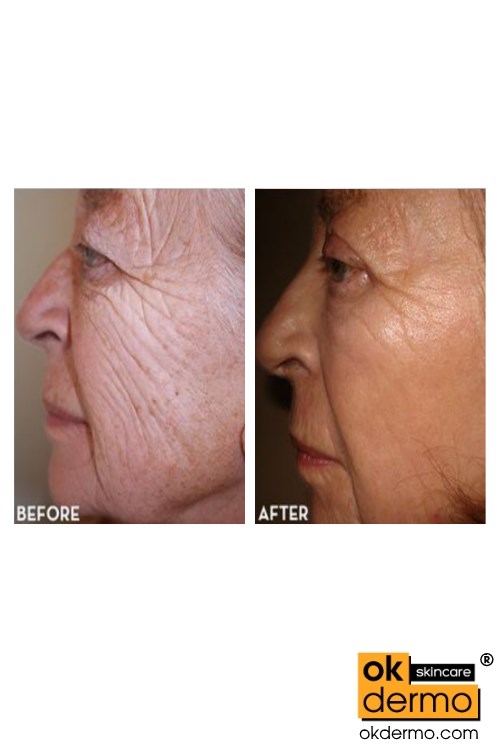
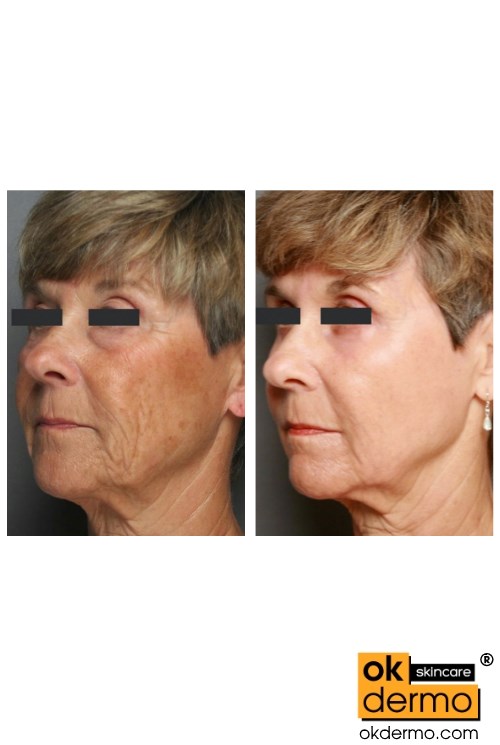
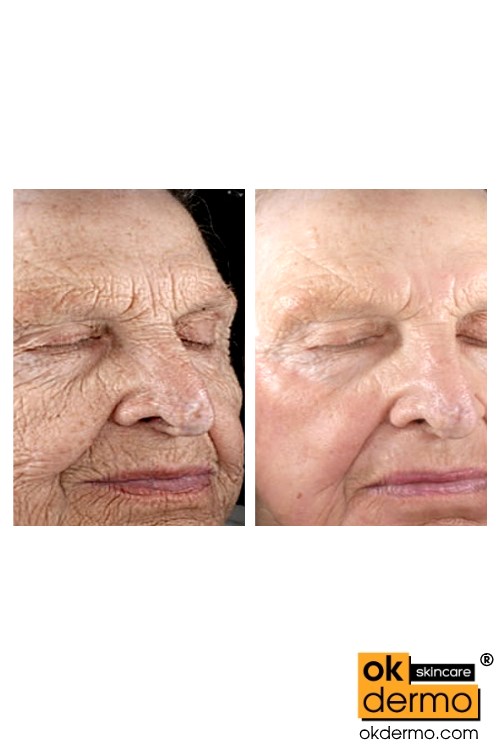
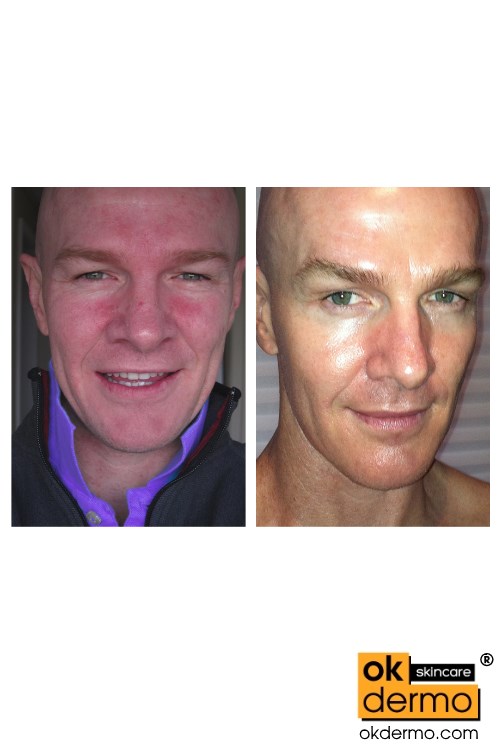
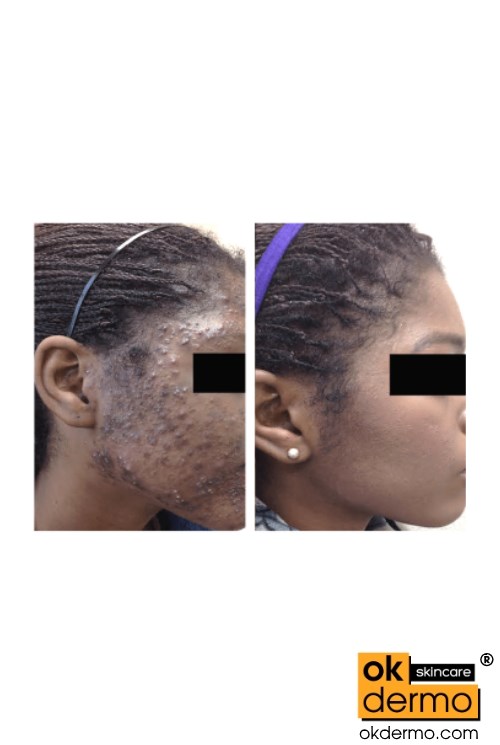
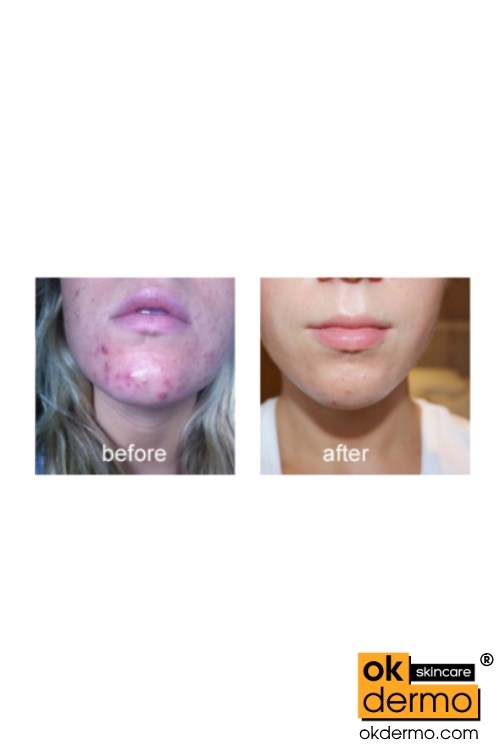
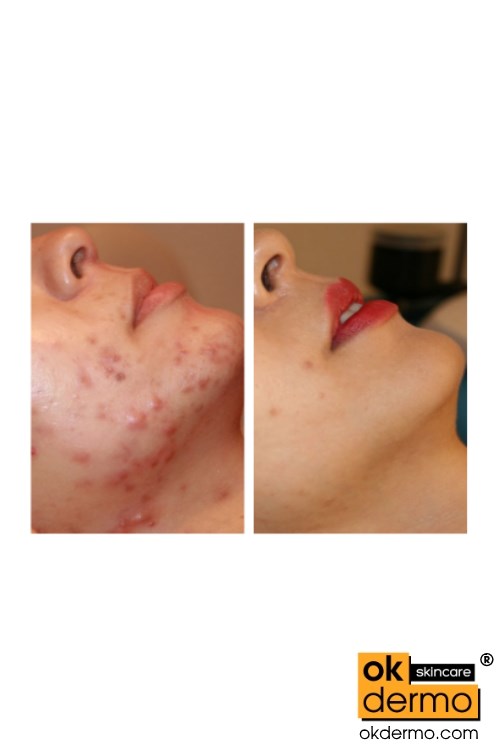
Delving deeper into Retin A Micro Gel benefits, it’s notable that tretinoin microsphere gel 0.1 and 0.04, used regularly, provide significant before and after changes. This remarkable transition is attributed to tretinoin microspheres, an innovation that allows for a sustained release of the active ingredient, facilitating deeper skin penetration. This implies minimizing skin irritation, which might be experienced with other retinoid treatments, hence a smoother journey towards an enhanced skin appearance.
Retin A Micro Gel vs. Other Acne Treatments
When comparing Retin A Micro Gel to other acne treatments, like benzoyl peroxide, one finds its unique formulation advantageous. While benzoyl peroxide can treat acne effectively, it often leads to skin irritation and dryness.
Retin A Micro Gel, on the other hand, with its active ingredient tretinoin, treats acne while reducing skin irritation. As a micro tretinoin gel, it penetrates the skin effectively, minimizing severe irritation and resulting in fewer acne lesions. Consequently, as professionals, we vouch for the superiority of Retin A Micro Gel in acne treatment.
How to Use Retin A Micro Gel
To effectively use Retin A Micro Gel, a potent prescription medicine for acne and wrinkles, follow these step-by-step instructions:
- Start by thoroughly cleaning the affected skin area. Avoid medicated or abrasive soaps as these can cause skin irritation.
- Allow your skin to dry for 20-30 minutes before application to minimize severe irritation.
- Apply a thin layer of micro tretinoin gel on the affected area once daily, preferably before bedtime.
- Wash your hands immediately after use to avoid accidentally spreading the medication to other areas.
Please take note of the following warnings:
- Use of other topical acne medications (such as benzoyl peroxide or salicylic acid) with Retin A Micro Gel can cause severe skin irritation. It’s recommended to avoid concomitant topical treatment unless directed by your doctor.
- Temporary skin redness or dryness is a common reaction when you start your topical tretinoin regimen. However, if a reaction suggesting sensitivity occurs, promptly consult your doctor.
In essence, the success of treating acne with Retin A Micro Tretinoin lies in proper usage and heedful precautions. Remember, achieving healthy skin requires patience and consistent beneficial efforts.
The Potential Side Effects and How to Mitigate Them
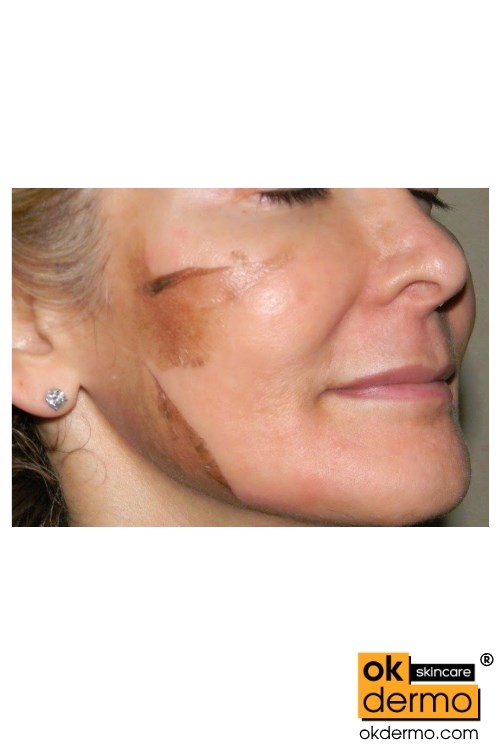
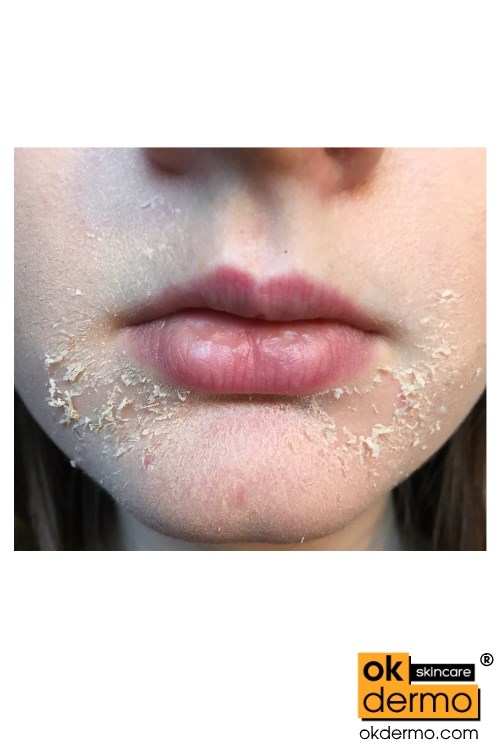
Potential side effects of using Retin A Micro Gel, a prescription medicine for treating acne, include skin irritation and severe irritation. This can manifest as redness, dryness, peeling, or a burning sensation on the skin treated with micro tretinoin gel.
Mitigation of these side effects primarily involves adjusting the frequency of use or temporarily discontinuing therapy. If irritation persists, prompt consultation with a dermatologist is imperative. Furthermore, avoid using concomitant topical medication, like benzoyl peroxide, without a dermatologist’s guidance to prevent excessive skin dryness and irritation.
Understanding and managing these side effects can greatly improve your clinical therapeutic response to Retin A Micro Tretinoin. Ultimately, seeking professional advice ensures your skin receives optimal care.
Where to Purchase Authentic Retin A Micro Gel Online
To purchase authentic Retin A Micro Tretinoin Gel online, consider OKDERMO. Recognized for its reliability and global shipping, it is an excellent choice for your acne treatment needs. When ordering, ensure that you’re receiving the genuine product by verifying details like the brand, ingredients, and product description. Trustworthy retailers like OKDERMO ensure your treatment is not only efficient but also safe.
Is there a generic for Retin A Micro Tretinoin Gel?
Yes, there is a generic equivalent for Retin A Micro Tretinoin Gel. Tretinoin, the active ingredient, is available in several generic formulations. These prescription medicines offer similar benefits in treating acne and reducing wrinkles. Like Retin A Micro, they stimulate cell turnover and reduce inflammation, Supatret, MyTret, and Retino-A Micro are all generic forms of the famous Retin-A Micro Gel.
Summarizing the Benefits of Retin A Micro Gel
Retin A Micro Tretinoin Gel is a unique formulation designed to treat acne and reduce the appearance of wrinkles. Here are the summarized benefits:
- Potent Acne Solution: It reduces acne lesion counts effectively, bringing about clearer skin for acne patients.
- Wrinkle Reduction: It promotes skin cell turnover, diminishing fine lines and wrinkles.
- Effective Prescription Medicine: The micro tretinoin gel has been proven clinically to yield consistent beneficial effects on skin health.
- Skin Tolerance: Despite its potency, it often causes only moderate cutaneous irritation, making it suitable for sensitive skin.
As a final thought, incorporating Retin A Micro Gel into your daily skincare routine can lead to transformative results. Its potent ingredients not only treat acne but also foster youthful, vibrant skin. Remember, it’s a prescription medicine, so consult your healthcare provider before use.
Related resources/references:
- Retin-A cream User Guide
- Retin-A vs Retin-A Micro®
- Tretinoin cream for wrinkles
- Retin-A tretinoin: Cream vs Gel
- The difference between Retin-A and Tretinoin
- How to minimize irritation/redness with Retin-A
- Everything you need to know about Retinol & Retinoids
- User reviews for Retin-A
- Retin-A (Topical)
- Retin-A (Gel)
- Tretinoin (Topical)
- Acne treatment with tretinoin
- Retin-A side effects